-
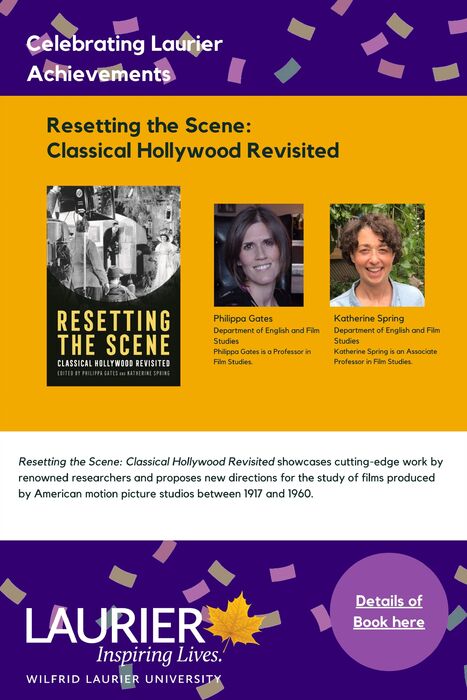
Resetting the Scene: Classical Hollywood Revisited
Resetting the Scene: Classical Hollywood Revisited showcases cutting-edge work by renowned researchers and proposes new directions for the study of films produced by American motion picture studios between 1917 and 1960.
-
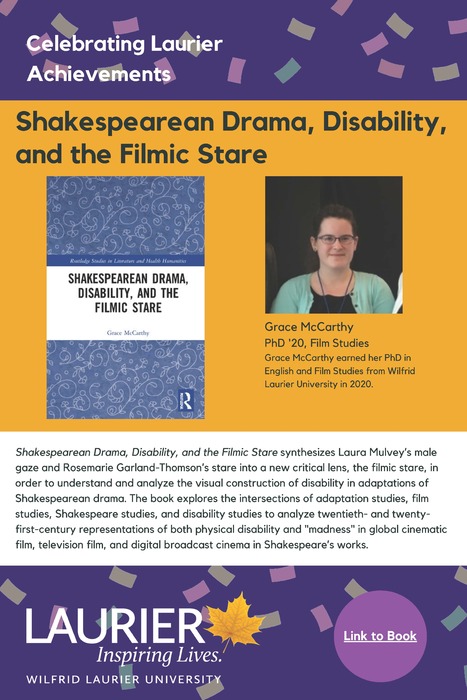
Shakespearean Drama, Disability, and the Filmic Stare
Shakespearean Drama, Disability, and the Filmic Stare synthesizes Laura Mulvey’s male gaze and Rosemarie Garland-Thomson’s stare into a new critical lens, the filmic stare, in order to understand and analyze the visual construction of disability in adaptations of Shakespearean drama. The book explores the intersections of adaptation studies, film studies, Shakespeare studies, and disability studies to analyze twentieth- and twenty-first-century representations of both physical disability and "madness" in global cinematic film, television film, and digital broadcast cinema in Shakespeare’s works.
-
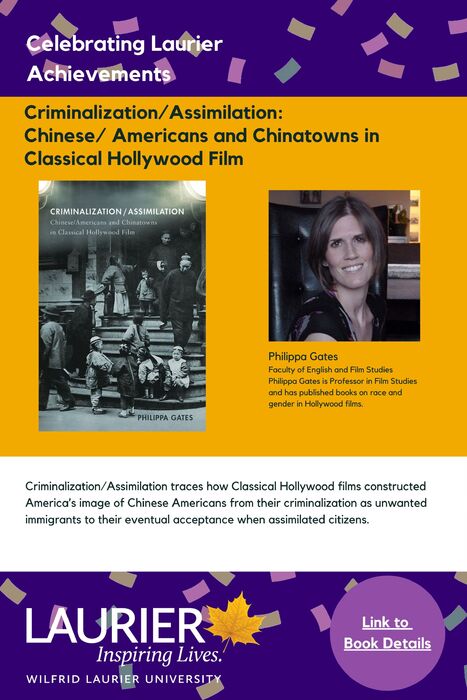
Criminalization/Assimilation: Chinese/Americans and Chinatowns in Classical Hollywood Film
Criminalization/Assimilation traces how Classical Hollywood films constructed America’s image of Chinese Americans from their criminalization as unwanted immigrants to their eventual acceptance when assimilated citizens.
-
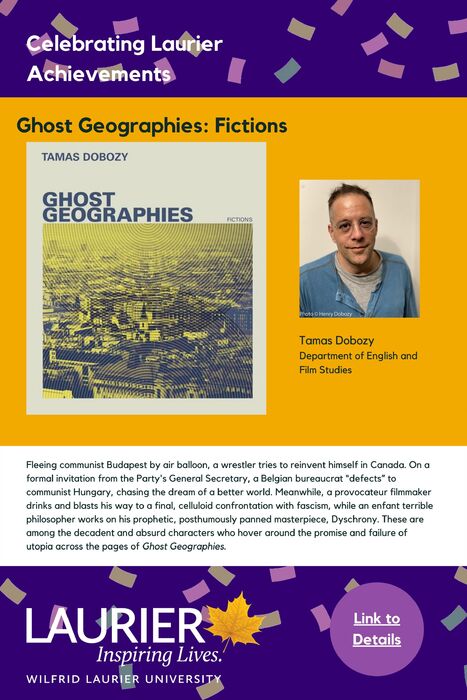
Ghost Geographies: Fictions
Fleeing communist Budapest by air balloon, a wrestler tries to reinvent himself in Canada. On a formal invitation from the Party's General Secretary, a Belgian bureaucrat “defects” to communist Hungary, chasing the dream of a better world. Meanwhile, a provocateur filmmaker drinks and blasts his way to a final, celluloid confrontation with fascism, while an enfant terrible philosopher works on his prophetic, posthumously panned masterpiece, Dyschrony. These are among the decadent and absurd characters who hover around the promise and failure of utopia across the pages of Ghost Geographies.
-
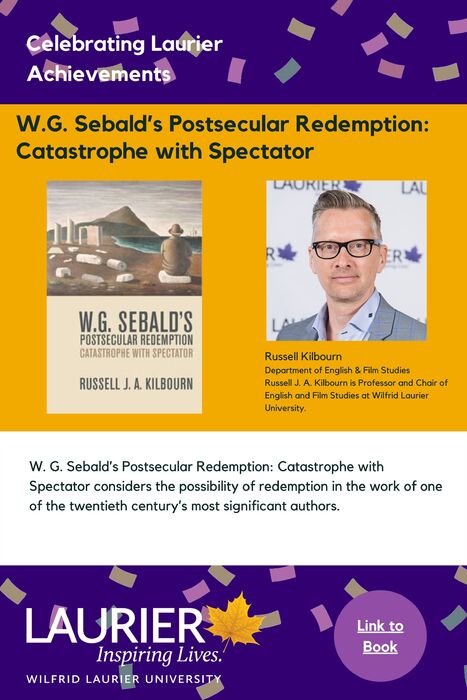
W.G. Sebald’s Postsecular Redemption: Catastrophe with Spectator
W. G. Sebald’s Postsecular Redemption: Catastrophe with Spectator considers the possibility of redemption in the work of one of the twentieth century’s most significant authors.
-
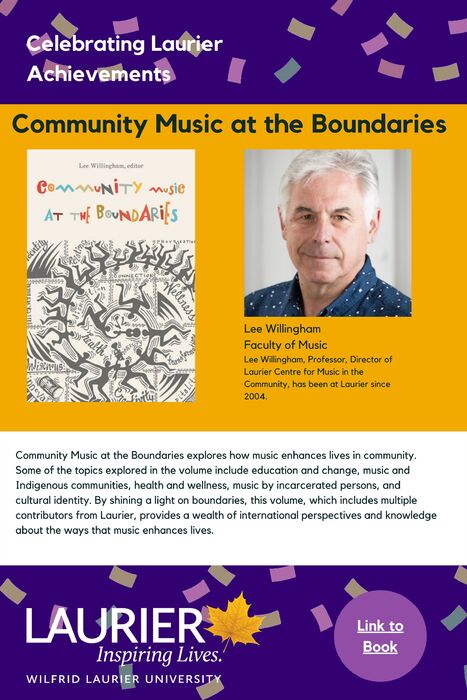
Community Music at the Boundaries
Community Music at the Boundaries explores how music enhances lives in community. Some of the topics explored in the volume include education and change, music and Indigenous communities, health and wellness, music by incarcerated persons, and cultural identity. By shining a light on boundaries, this volume, which includes multiple contributors from Laurier, provides a wealth of international perspectives and knowledge about the ways that music enhances lives.
-
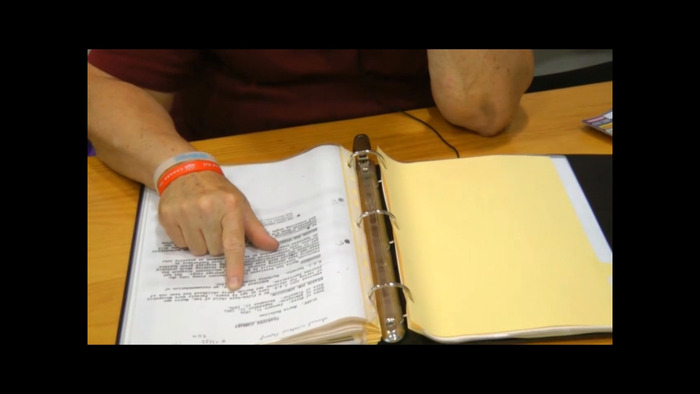
Video Interview Screenshot
Video Interview Screenshot
-
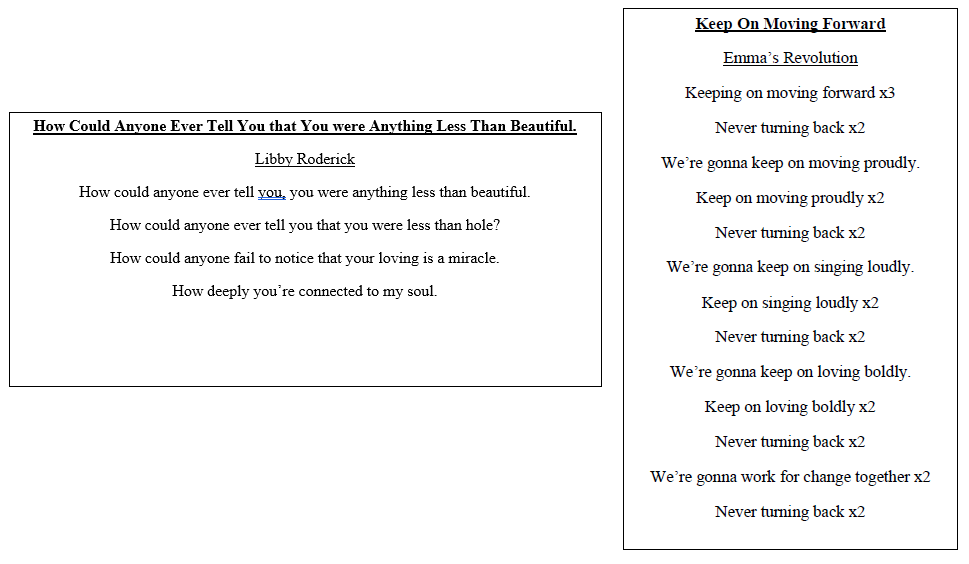
Final Site Visit Song Lyrics
The lyrics to Libbey Rodderick's How Could Anyone Ever Tell you that You Were Anything Less than Beautiful and Keep On Moving Forward by Emma's Revolution. Both songs were sung by the group visiting the cemetery during the final site visit
-
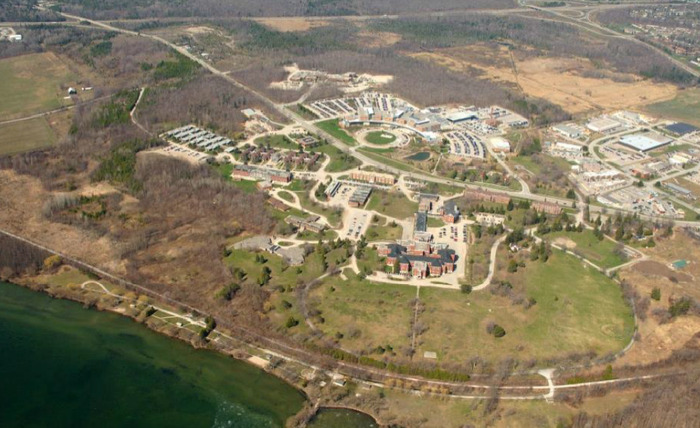
Huronia Regional Campus, circa 2017
An aerial view of the Huronia Regional Campus, circa 2017
-
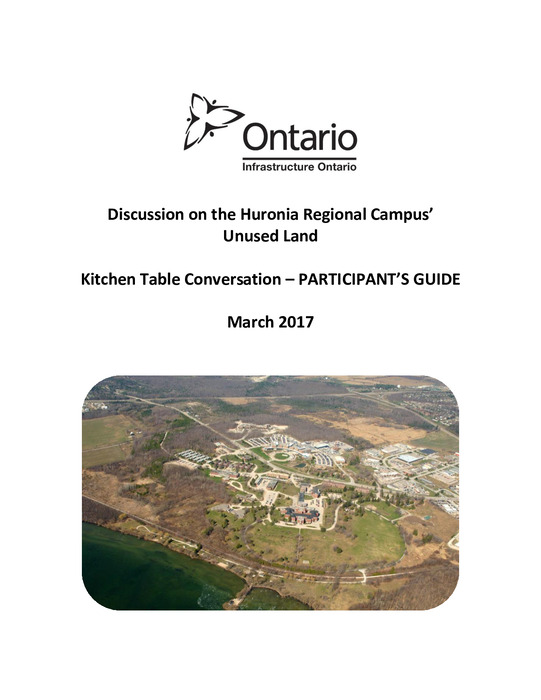
Participant Guide to the Kitchen Table Conversation about the Huronia Regional Campus’ Unused Land
An Ministry of Community and Social Services document for participants of the discussion on the Huronia Regional Campus’ Unused Land. The purpose of the document is to guide participants through discussion questions regarding the unused lands at the Huronia Regional campus. The guide notes the history of the Huronia Regional Centre and mentions the settlement agreement and apology. The report also describes the 262 acres that the institution had amassed and asks for community input into the future use of the lands. At the time, the lands were divided into unused government sections and a government-used lands section. During the October 2014 site visit, the Recounting Huronia Research Collective saw the Ontario Provincial Police using areas of the site for training purposes.
-

"Trying to do something about it"
An audio recording of the final site visit to the Huronia Regional Centre's Cemetery. Survivor Cindy Scott pleads that advocates are trying to do something about the abuse endured by residents at the institution.
-
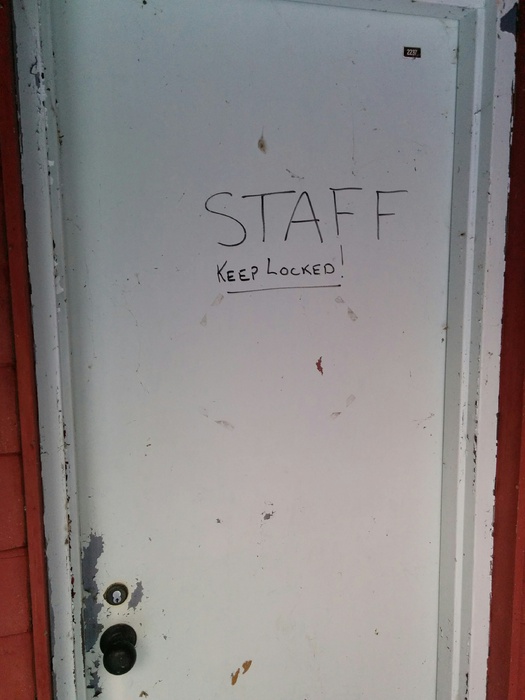
Staff Keep Locked!
A photograph of black handwritten note that reads: Staff KEEP LOCKED! on a white door with a black doorknob.
-
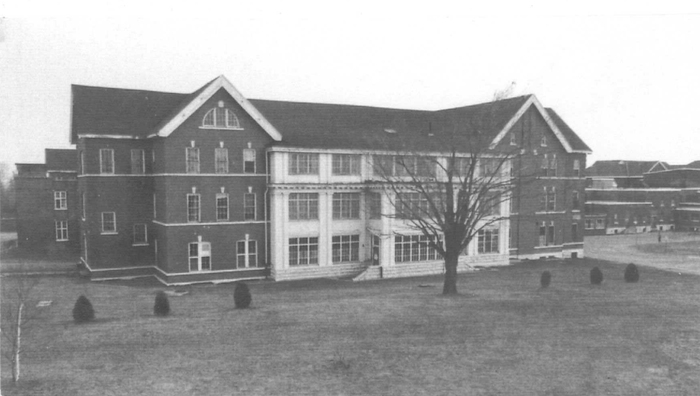
Building Architecture, circa, 1970
A black and white photograph of a large brick building with white window sills. The entire building is visible with pavement in the foreground and more architecture behind the main building. Bars cross the windows.
-
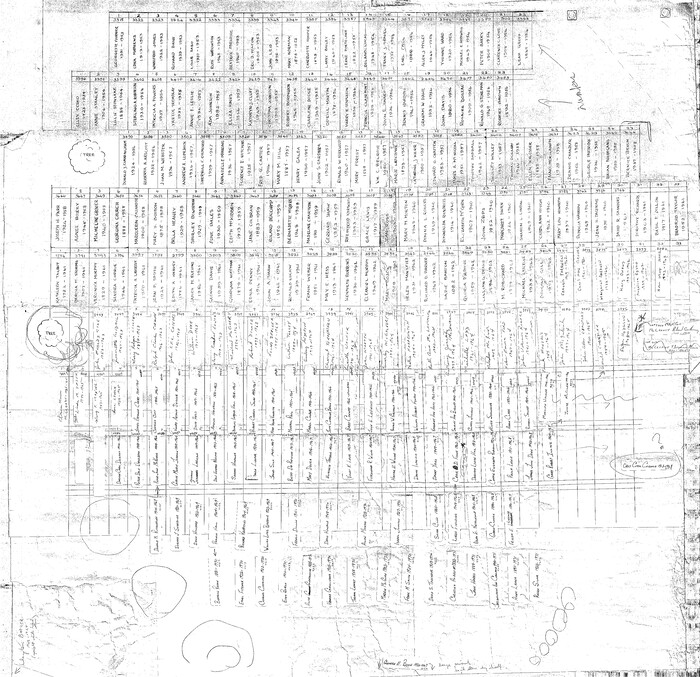
Huronia Regional Centre Cemetery Map, 1953-1971
Huronia Regional Centre Cemetery Map, 1953-1971
-
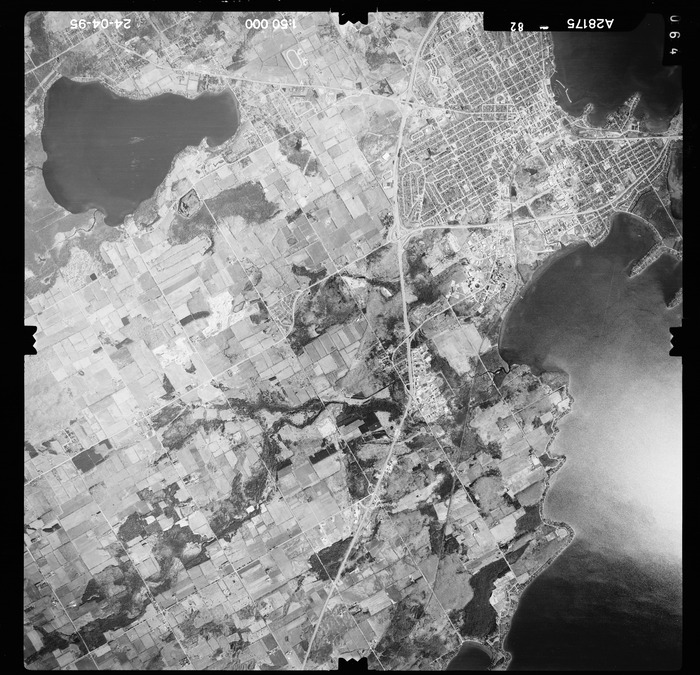
Aerial view of the Huronia Regional Centre, 1995
An aerial view of the Huronia Regional Centre, 1995
-
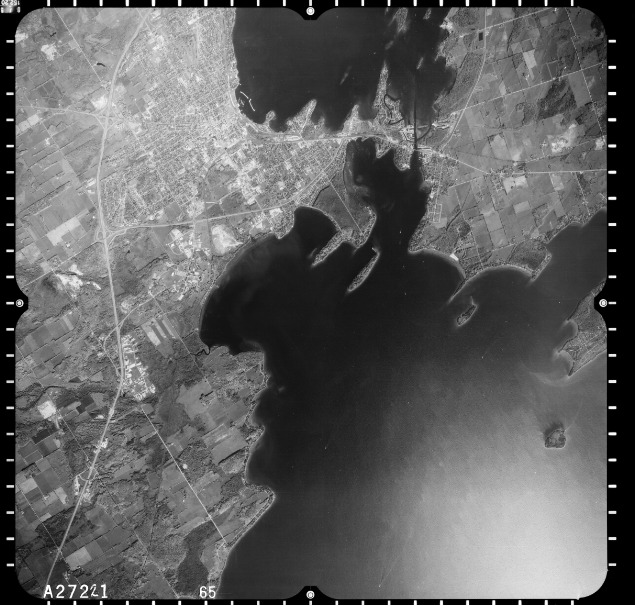
Aerial view of the Huronia Regional Centre, 1987
An aerial view of the Huronia Regional Centre, 1987
-
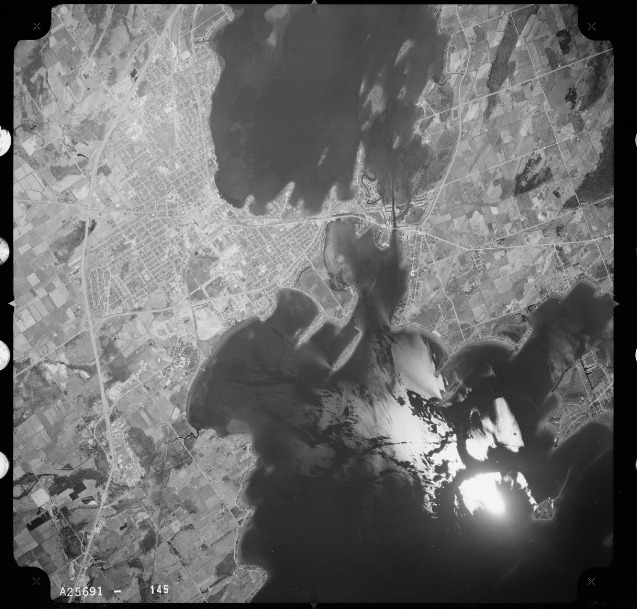
Aerial view of the Huronia Regional Centre, 1981
An aerial view of the Huronia Regional Centre, 1981
-
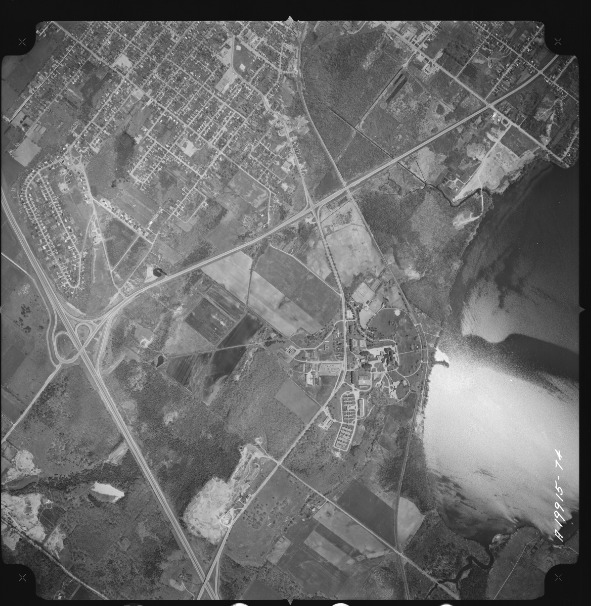
Aerial view of the Huronia Regional Centre, 1967
An aerial view of the Huronia Regional Centre, 1967
-
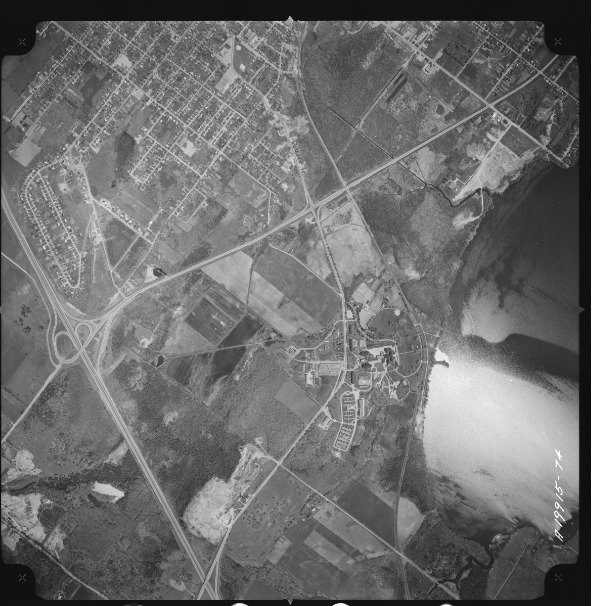
Aerial view of the Ontario Hospital School Orillia, 1967
An aerial view of the Ontario Hospital School Orillia, 1967
-
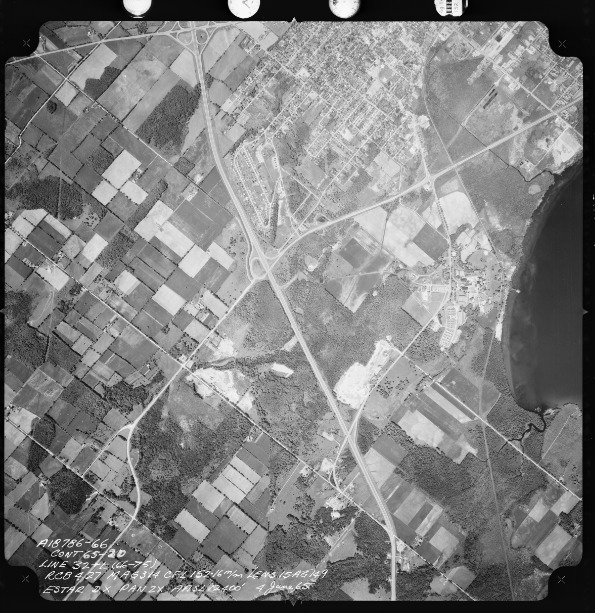
Aerial view of the Ontario Hospital School Orillia, 1965
An aerial view of the Ontario Hospital School Orillia, 1965
-
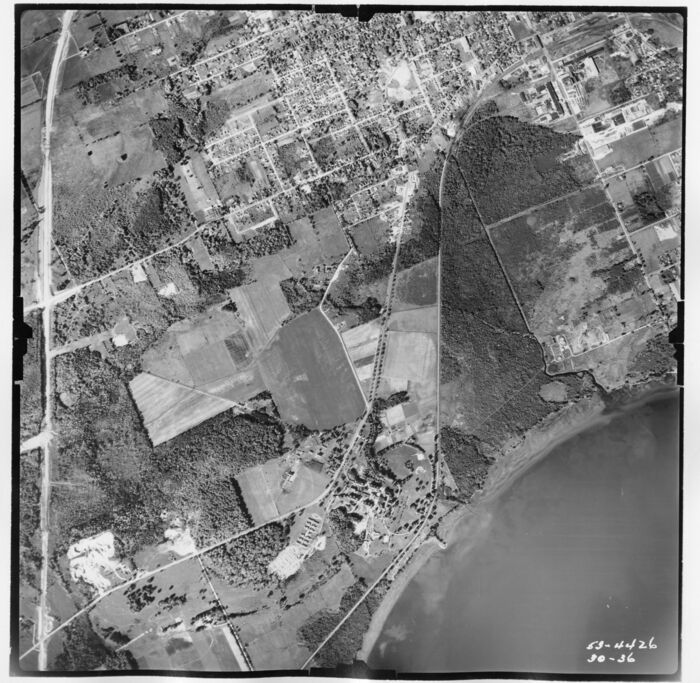
Aerial view of the Ontario Hospital School Orillia, 1953
An aerial view of the Ontario Hospital School Orillia, 1953
-
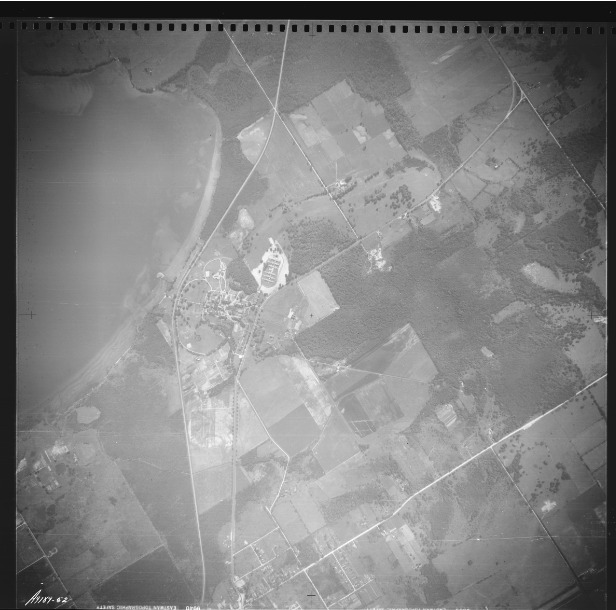
Aerial view of the Ontario Hospital School Orillia, 1945
An aerial view of the Ontario Hospital School Orillia, 1945
-
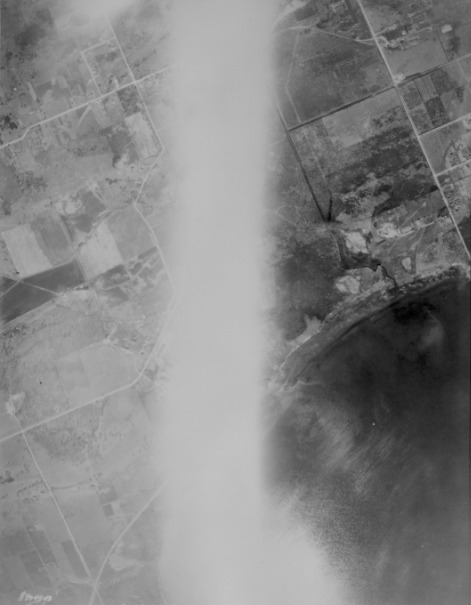
Aerial view of the Orillia Asylum, 1931
An aerial view of the Orillia Asylum, 1931
-
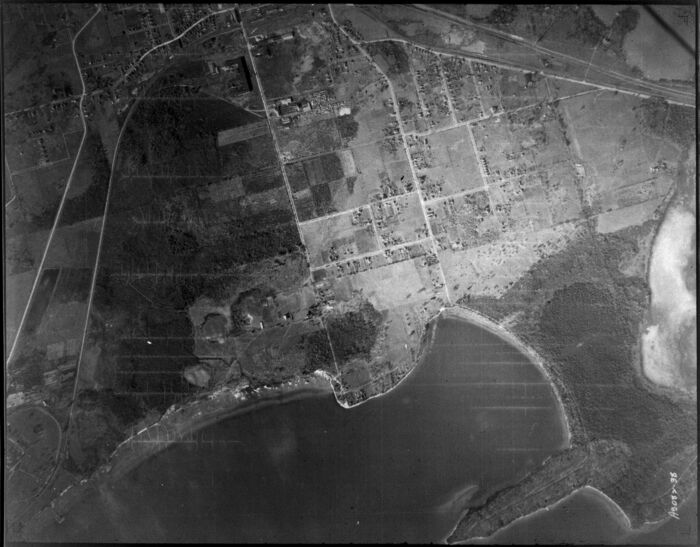
Aerial view of the Orillia Asylum, 1930
An aerial view of the Orillia Asylum, 1930
-
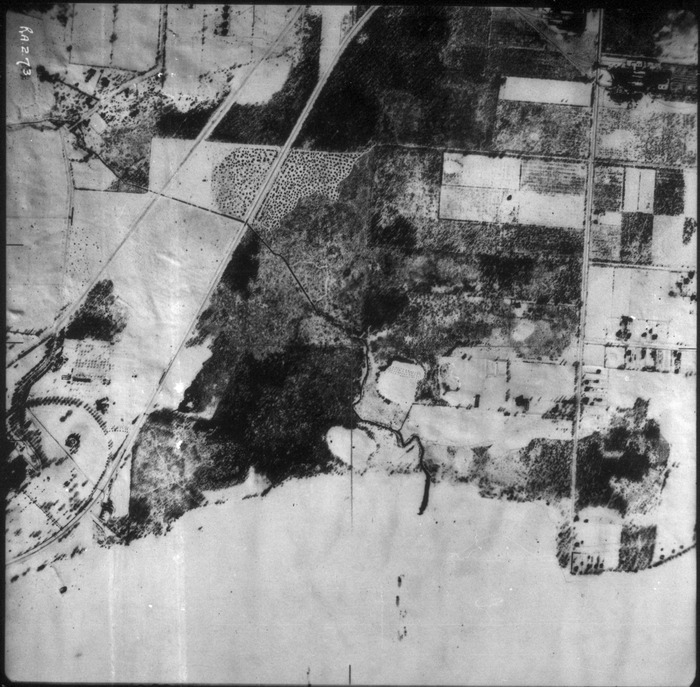
Aerial view of the Orillia Asylum, 1927
An aerial view of the Orillia Asylum, 1927